Restoring Coastal Biodiversity
The tsunami that struck the coasts of the Indian Ocean in December 2004 not only exposed how vulnerable were the coastal communities to the killer wave but also the dearth of natural barriers that stood there for ages. The coasts devoid of mangroves let tsunami easily strike the lands and drown humans and animals and destroy their habitats.
Tsunami is a natural disaster but the pernicious aftermath that people suffered was absolutely a man-made disaster. Many NGOs, government agencies, volunteers and philanthropists rushed instantly to save the victims of the killer wave. Many of them provided food, shelter, attire and medicines to people. And, many of them, after knowing the causative factor of the disaster tsunami, involved in the restoration and reinstating the mangrove forest along the coasts and around the estuaries.
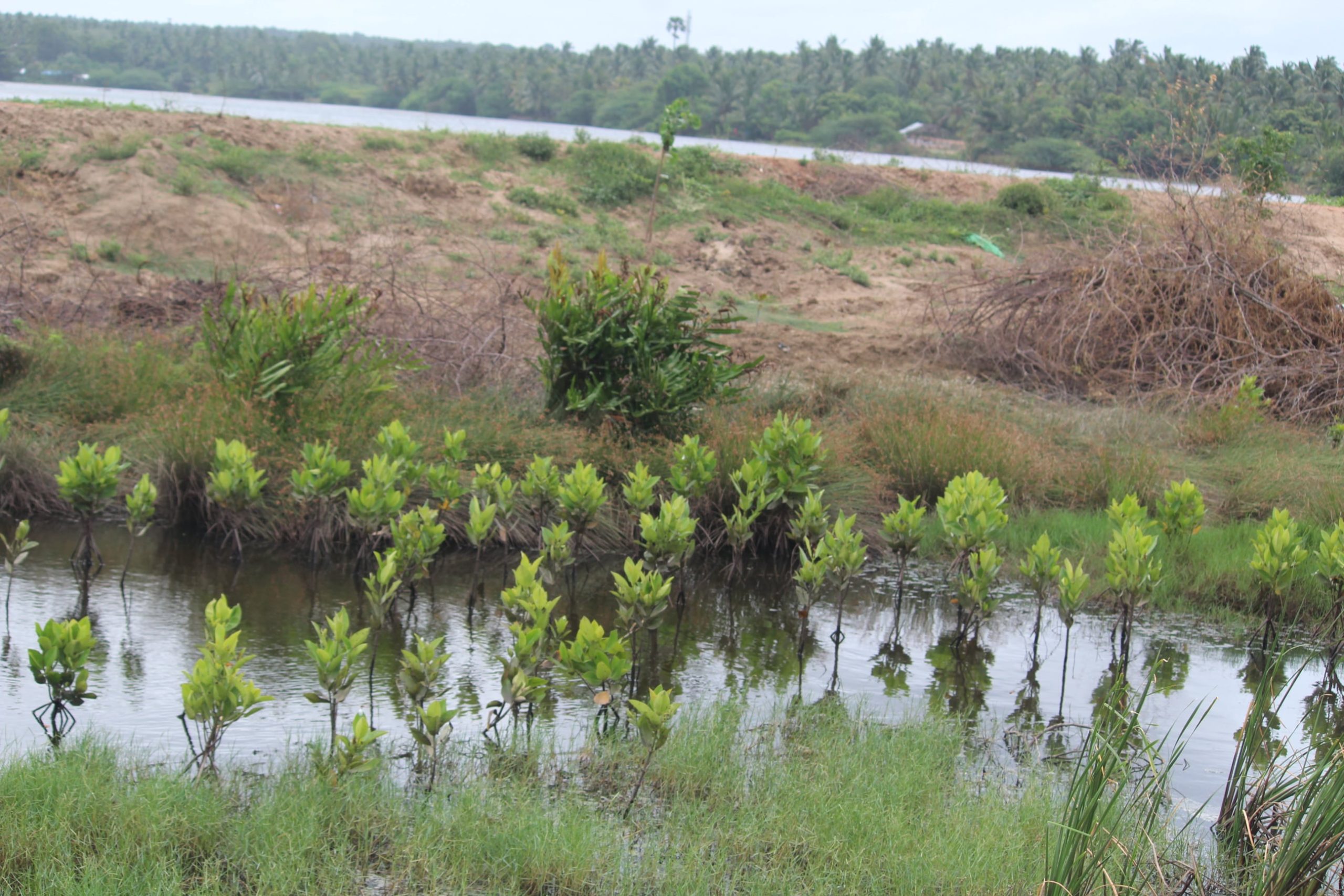
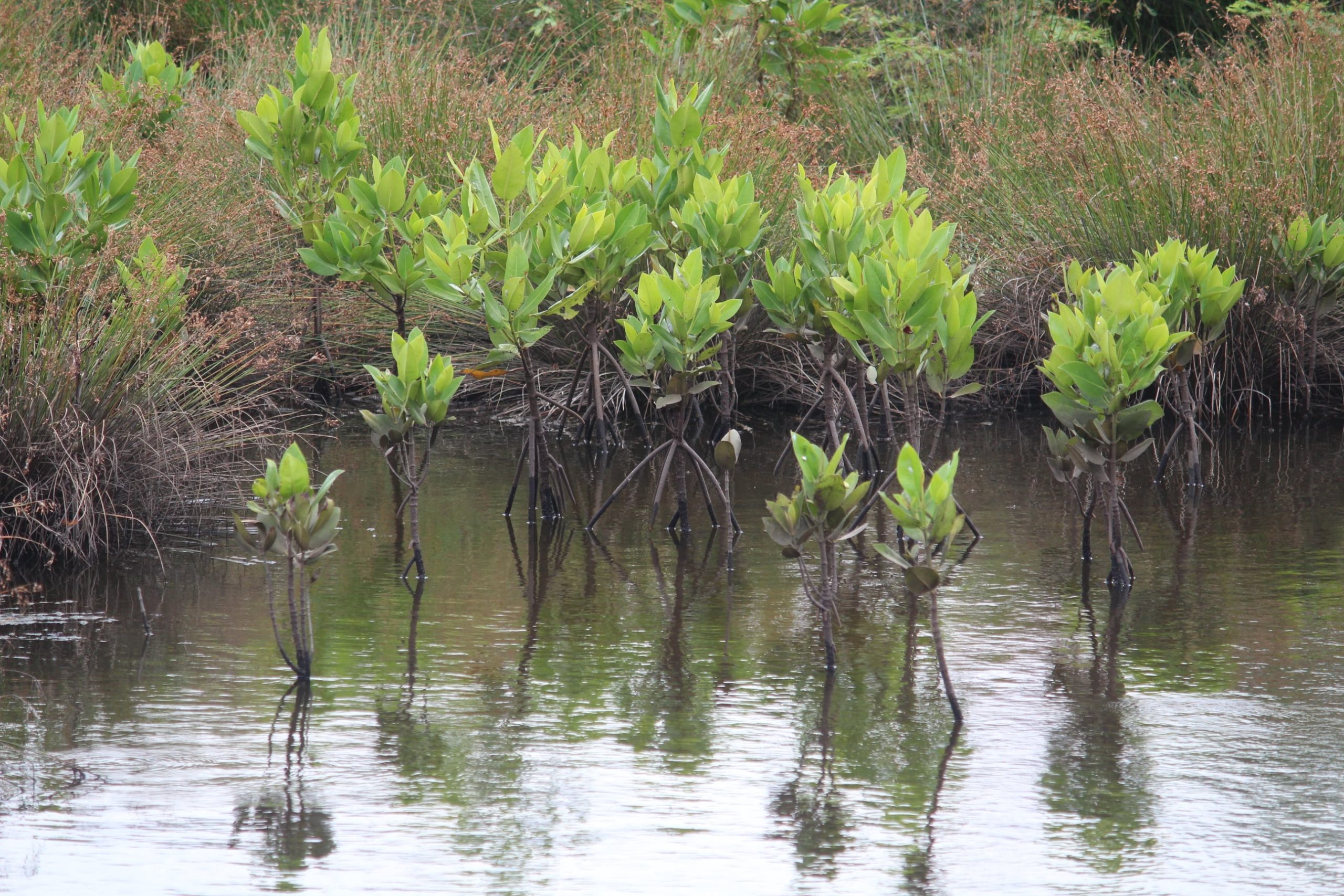
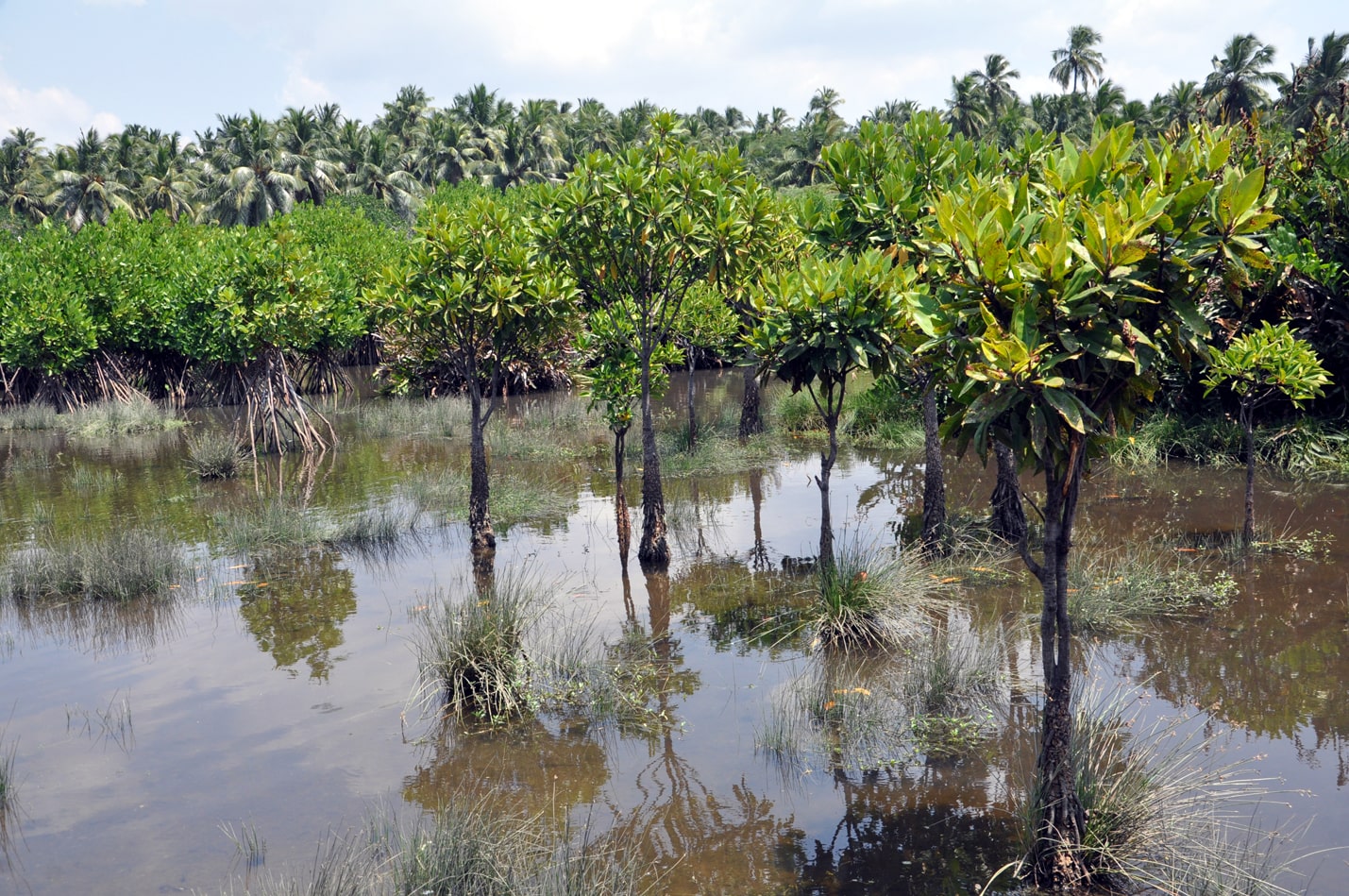
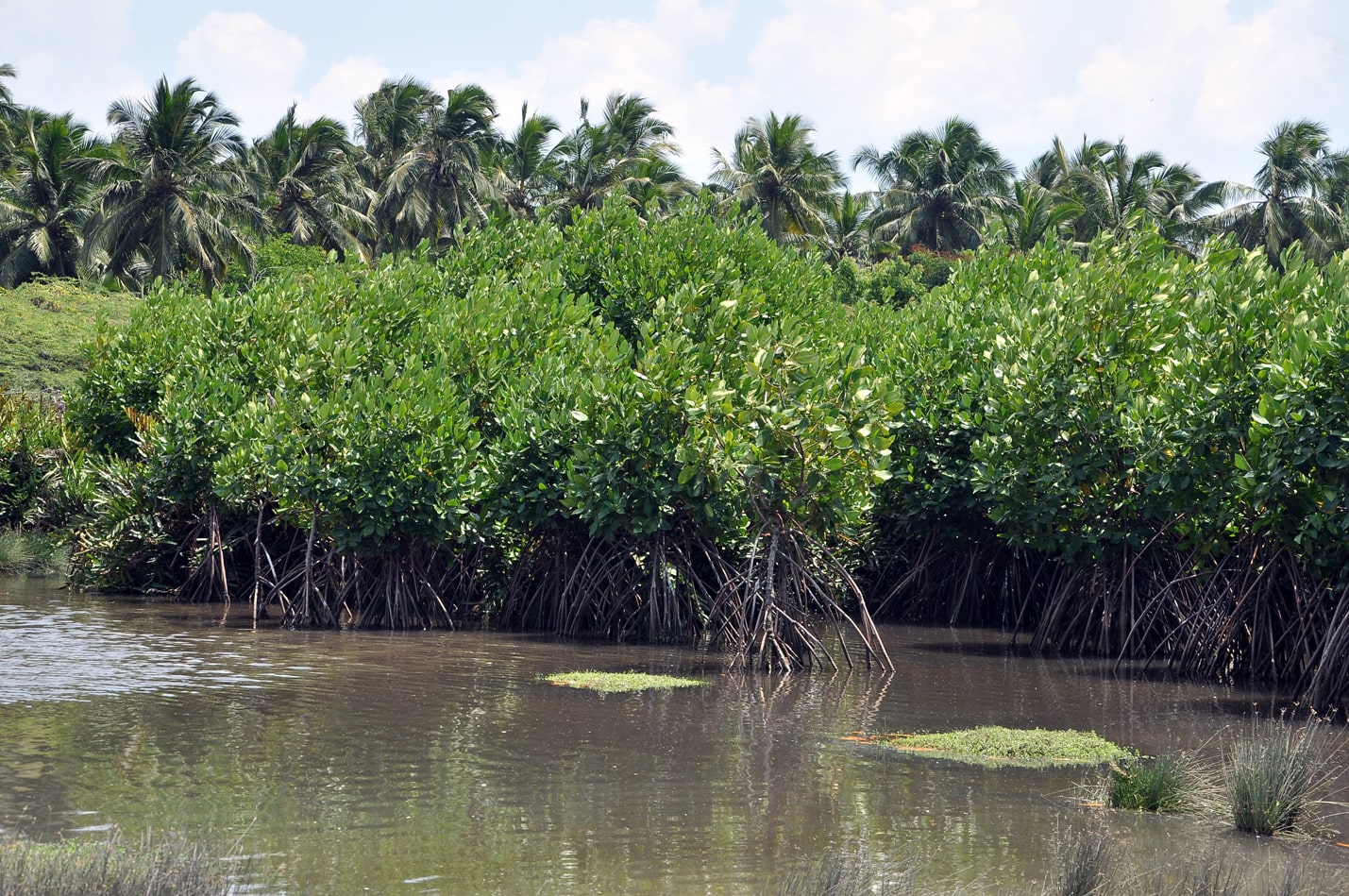
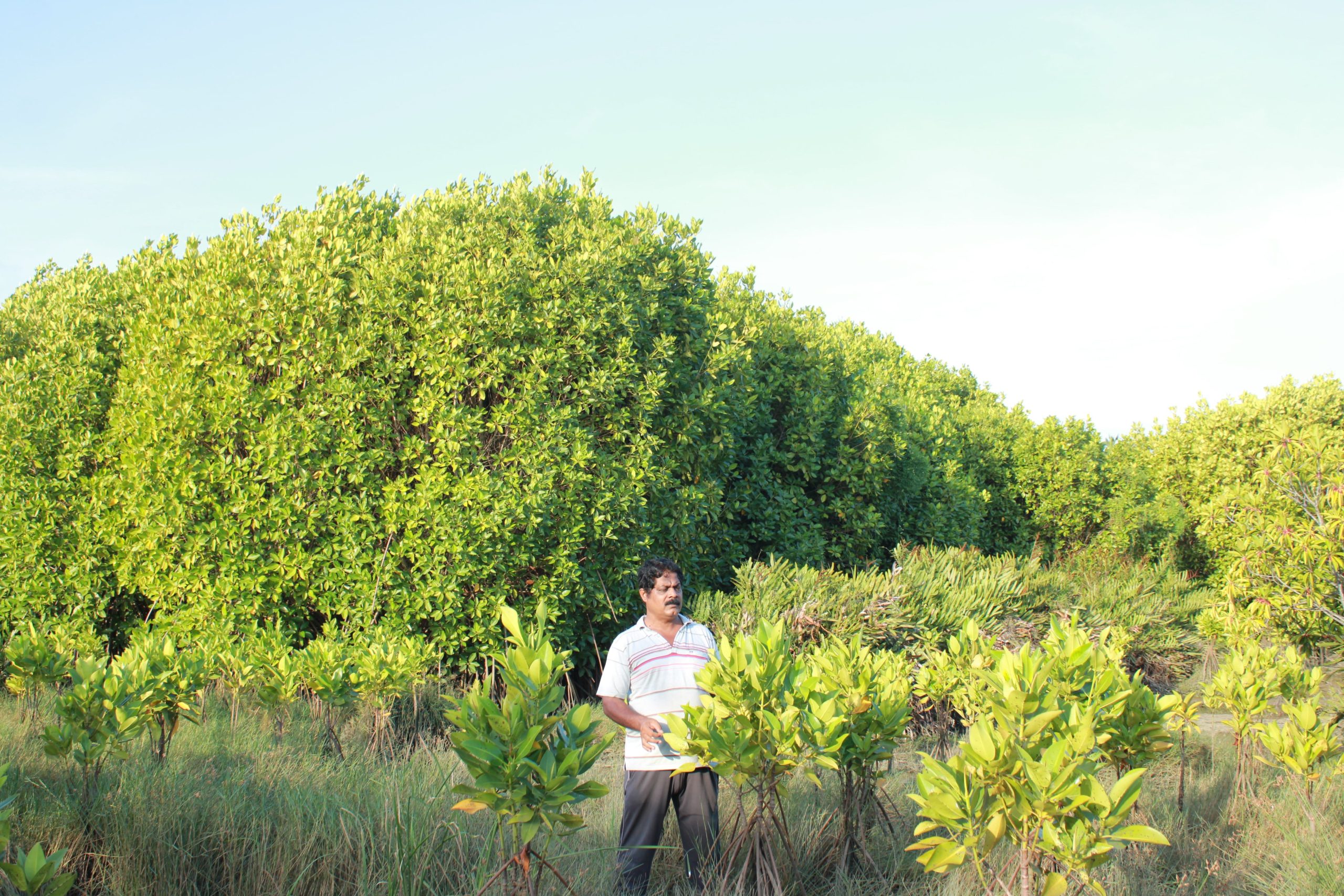
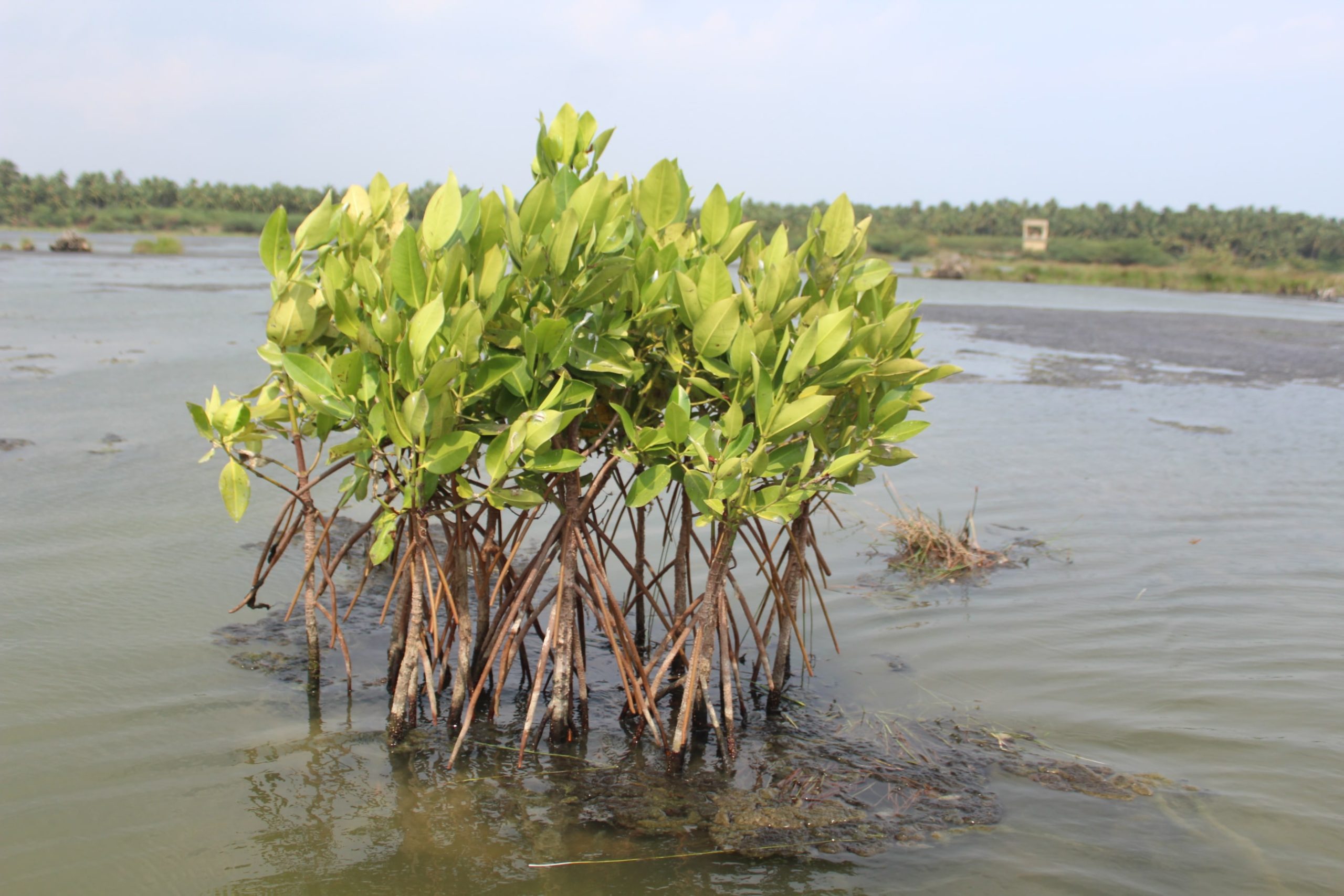
Hence, SEEDS Trust flung into restoring mangroves through a pilot project at Pandyar estuary in Kanniyakumari district in the immediate post-tsunami period. The mission was named as ‘Green Coast Project’ which was supported by Both ENDS and guided by Mr. Madhu Ramnath. The pilot project was started in the year 2006 in 10 hectares and it planted 45,000 mangrove saplings. Over the years, the planted saplings have grown into a dense mangrove forest, sheltering bats, birds, squirrels and aquatic animals below their roots.
Seeing the success of the project, SEEDS Trust extended mangrove planting programme from 2019 to 2022 with the support of Maison du Monde Foundation and planted 180,000 saplings on 40 hectares along the eroded banks of Pandiyar River and on sand dunes.
A Post-Tsunami Awakening:
Really speaking, the tsunami that struck in 2004 was a wake-up call to the rulers and the common people to become aware of environmental protection in India. Scientists pointed out that those regions that were covered by mangroves and coastal vegetation were less damaged by tsunami. Villages that had green buffers were intact and incurred minimal loss of lives and fewer property damages. However, these natural barriers were destroyed in most places along coasts in Kanyakumari district because of the widespread deforestation that took place for several decades in the past. Hence, restoring the degraded coastal habitats in collaboration with local communities and the government is the long-term action plan of SEEDS Trust.
Community Participation:
The participation of local communities in the programme was remarkable and they showed much enthusiasm in planting saplings and in guarding them till they attain the preferable height. There were 300 households and the organisation provided five saplings to each of them against their preference from ten native species of trees. People planted the saplings in the places available around their houses and in their farms. They identify their personal interest with the ecological wellbeing: “We save tree and they save us in return; with trees around us, we feel oneness with nature” said a local woman.
Monitoring and Maintenance:
Mere planting of saplings is not an end in itself. We have to protect them until they grow to a stage of survival on their own. Therefore, sapling guards were put around the saplings planted and fence was erected around the planting area to prevent the entry of cattle. In addition, SEEDS Trust has formed watch committees with local people so as to ensure community participation in protecting the saplings. The sapling loss due to rain flood was compensated with casualty plating. “Planting saplings is an easy work but guarding them and ensuring their survival until they grow into trees is a responsible task” says a Forest Range Officer.
Outcome of the project: Climatic, Economic, Social and Environmental:
Besides number of saplings planted and the increase in vegetation, there are socio-economic, environmental and climatic benefits.
Environmental benefits:
- Casuarina trees and other native species of trees play a vital role in carbon sequestration that contributes a lot to climate change mitigation in the long run
- The fertility of the soil in the riparian areas is enhanced and as a result, agricultural productivity is getting enhanced
- The biodiversity is rejuvenated: different species of birds including the migratory birds are frequently found in the mangrove forest
Social benefits:
- The attitude of the local communities is changed so as to care and protect natural resources and keep the environment clean and green
- Women and youth have turned to be the key players in keeping surveillance over the saplings planted
- Every one of the surrounding villages assumes environmental stewardship.
Economic Benefits:
- Soil erosion on the riparian area is checked
- Bird watching turns into an additional feature of eco-tourism
- Fruit yielding trees and oxygen generating trees are beneficial to people
Climate Resilience:
- Sand dunes replenished with trees act as the shield against cyclones, gales and big waves
- The green cover helps in reducing the temperature and in drawing rains.
Mr. Muthusamy Palanivel, who is the Founder of SEEDS Trust reminds: “Nature has taught us such a painful lesson to safeguard the natural barriers that grown along the coasts. The idea of building dykes along the human inhabited coastal lines is entirely inappropriate for the concrete walls may tumble down at a point of time and they will not allow the sea water entered that into the fields and human inhabitations flow back into the sea. This will degrade the fertility of the soil and contaminate the groundwater. But mangroves and sand dunes have the natural toughness to withstand the power of tsunami and the resilience to let the seawater go back into the sea. Therefore, restoration of mangroves is not just a desire but an urgent mission.”
Conclusion
The above-said summary about Rajakamangalam Coastal Regeneration Project is not just a one more success story but a roadmap of contributing something concrete towards climate change mitigation, community empowerment and livelihood promotion. With the planting of 225,000 mangrove tree saplings, the coast of Kanyakumari looks greener and stands a mighty natural barrier against tsunami.