

Fadaki, The Royal Cloth
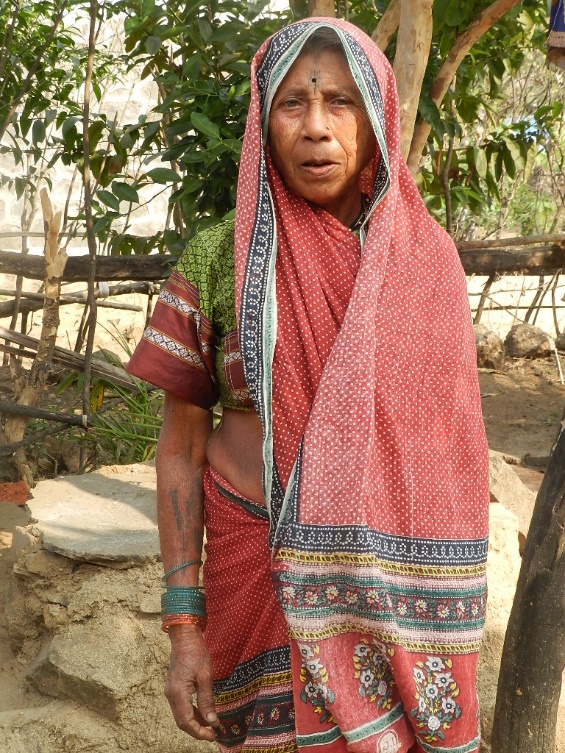 Lavhalwadi is a small hamlet in the Sahyadris where an indigenous community, the Thakar live for hundreds of years. The women gather for special occasions and perform the fugadi dance; at this occasion the use their traditional clothes, and some use wild flowers to adorn themselves. And all the women wear cloth that resembles the chunari, locally known as fadaki.
In the same region Kushet is a remote village of the Mahadev Koli people. In the Kartik month (which falls in November) they celebrated the festival of Sacred Grove, known as “devrai utsav” in a village called Borichiwadi. Women of all ages gathered in the grove, chatting and joking with each other, the older women wearing the navwari sari and the younger ones wearing the sahawar sari. They also adorned themselves with a diadem made from orchids. The women all used the same cloth, the alawan fadaki which resembles a modern stole or a large scarf; it is lighter in colour than the thakari fadaki.
On inquiring why the women wear the fadaki an elder woman replied that the fadaki is royal, that women look beautiful in it, the cloth can be used for all the rituals in the community, that it can be used while collecting forest produce and that it keeps both mother and child warm in the winter months. Unfortunately, the new generation of women have lost their interest in this cloth. In Maharashtra, the Fadaki Foundation is promoting fadaki and trying to revive the use of this royal cloth.


About Post Author
